


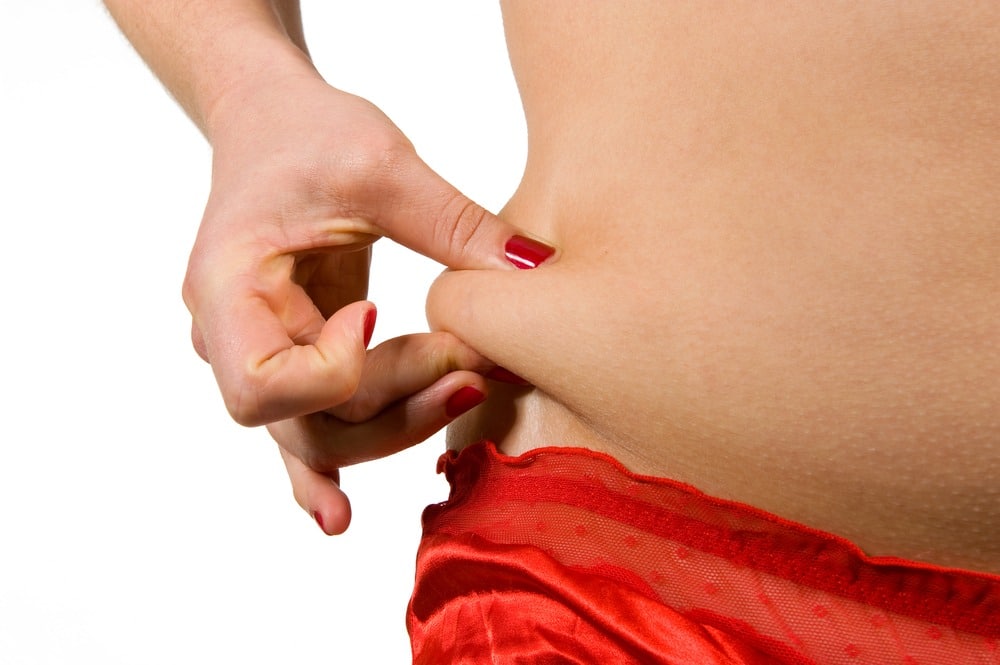
Spot Reduction Myth or Fact? Fitness Basics
Almost everyone has seen someone doing hundreds of crunches, side bends, inner-thigh machines, or triceps kickbacks hoping to burn fat from one specific area. As a trainer, this has always been one of the most common questions: “How do I lose this under my arms?” or “How do I tighten my thighs?”
The short answer: spot reduction is mostly a myth. You can train a muscle in a specific area, but you cannot reliably choose exactly where your body pulls fat from first.
Why Spot Reduction Sounds Believable
The theory sounds simple: work a muscle, create heat, and burn fat near that muscle. That idea is easy to understand, but the body does not work like a blowtorch melting fat from one location.
Fat loss happens systemically. When the body needs stored energy, it pulls from fat stores across the body based on genetics, hormones, training, nutrition, sleep, stress, and overall energy balance.
Training a Muscle vs. Losing Fat
Resistance training can build and shape muscle. That process is often what people call “toning.” When you train the abs, triceps, glutes, or thighs, those muscles can become stronger and more developed.
But the fat layer above those muscles is reduced through overall fat loss, not by doing endless reps for that one body part.
What Actually Works
- Progressive strength training: Build lean muscle and improve body composition.
- Consistent nutrition: Create sustainable habits that support fat loss over time.
- Enough protein: Support muscle repair, recovery, and satiety.
- Conditioning: Use cardio, circuits, intervals, or sports to increase total work.
- Sleep and recovery: Poor recovery can make body-composition changes harder.
- Patience: The body usually changes in stages, not overnight.
Why Ab Work Can Still Help
Ab training is not useless. Strong core muscles support posture, stability, bracing, athletic movement, and lower-back resilience. The mistake is expecting crunches alone to reveal abs if overall body fat is still too high.
Someone with visible abs may do very little direct ab work because their overall nutrition and training keep body fat low. Someone else may train abs daily but never see definition because the bigger lifestyle picture is not aligned.
Simple Fat-Loss Checklist
- Train the whole body two to five times per week.
- Track food honestly for at least a short period so you know what is happening.
- Prioritize protein and whole foods.
- Keep steps and daily movement consistent.
- Use recovery tools and rest days instead of constantly beating the body down.
- Measure progress with photos, waist size, strength, energy, and consistency, not just scale weight.
Modern Spot Reduction Notes
The internet still sells spot reduction because it is emotionally tempting. Everyone wants to pick one area, do one exercise, and watch that exact area shrink. But the research and practical coaching experience point in a different direction: targeted exercises can strengthen muscle, but fat loss depends on the whole-body energy picture.
That does not mean targeted training is worthless. It means people should separate two goals: building muscle in a specific area and losing body fat overall. You can train glutes, arms, abs, or thighs to improve strength and shape. But the fat covering those areas changes mostly through total fat loss, genetics, hormones, nutrition, activity, and time.
What Spot Training Can and Cannot Do
- It can strengthen a muscle: crunches can improve abdominal endurance and control.
- It can improve shape: resistance training can build muscle in the trained area.
- It can improve performance: stronger muscles support movement, posture, and athletic control.
- It cannot guarantee local fat loss: the body does not reliably pull fat from the exact area being trained.
How Fat Loss Actually Happens
Fat loss happens when the body uses more energy than it takes in over time. That does not require starvation or punishment, but it does require consistency. Strength training helps preserve muscle. Daily movement increases total activity. Nutrition creates the calorie environment. Sleep and recovery make it easier to repeat the routine.
- Strength training: build and preserve lean muscle while dieting or changing habits.
- Nutrition: create a sustainable calorie deficit without crash dieting.
- Protein: support muscle repair and satiety.
- Steps and cardio: increase total weekly activity.
- Sleep: support recovery, cravings, mood, and consistency.
Better Goal Setting
Instead of asking, “How do I lose fat from my stomach?” ask, “What daily and weekly habits will help me reduce total body fat while keeping muscle?” That question leads to better actions: lifting weights, walking more, improving protein, sleeping better, and tracking progress honestly.
- Goal: smaller waist. Action: full-body training, nutrition consistency, and daily movement.
- Goal: tighter arms. Action: upper-body strength training plus total fat-loss habits.
- Goal: stronger core. Action: planks, carries, anti-rotation drills, and smart bracing practice.
- Goal: better body composition. Action: repeat a realistic plan for months, not days.
Research and Training References
Spot reduction is widely treated as a disproven or misleading fat-loss concept. The practical coaching takeaway is simple: train muscles locally, but manage fat loss globally. For public-health activity targets that support body-composition habits, review the CDC’s adult physical activity guidance, which recommends weekly aerobic activity plus muscle-strengthening work.
For QPT readers, the best next step is to build a complete routine. Read Body Composition, Habits, and Sustainable Wellness, then connect the training side with TRX suspension training, plyometric training, and recovery education like CBD topicals for active bodies.
The Bottom Line
You can strengthen a specific area, but fat loss is a whole-body process. The best plan is still the simple plan done consistently: lift, move, eat well, recover, and stay patient.
Spot Reduction FAQ
Can I lose belly fat by doing more abs?
Ab work can strengthen the core, but belly-fat loss depends on overall fat loss, nutrition habits, training consistency, recovery, and genetics.
Are targeted exercises useless?
No. Targeted exercises can build and shape muscle. They just do not guarantee fat loss from that exact area.
What should I focus on instead?
Build muscle, eat consistently, move daily, sleep enough, and track progress with more than just scale weight.
Related Training and Wellness Guides
- TRX suspension training basics
- Plyometric training for active adults
- Body composition and sustainable wellness
- Beta-alanine basics for training performance
- CBD topicals for everyday recovery
For more training basics, see our guides to TRX suspension training and plyometric training for active adults. For active-body recovery routines, read about CBD topicals for everyday recovery.